Eat less, move more, eat more protein, and strength train
"Eat less, move more, eat plenty of protein, and strength train; you will lose body fat and build muscle," generally aligns with common recommendations for achieving weight loss and muscle development. Let's break down each component:
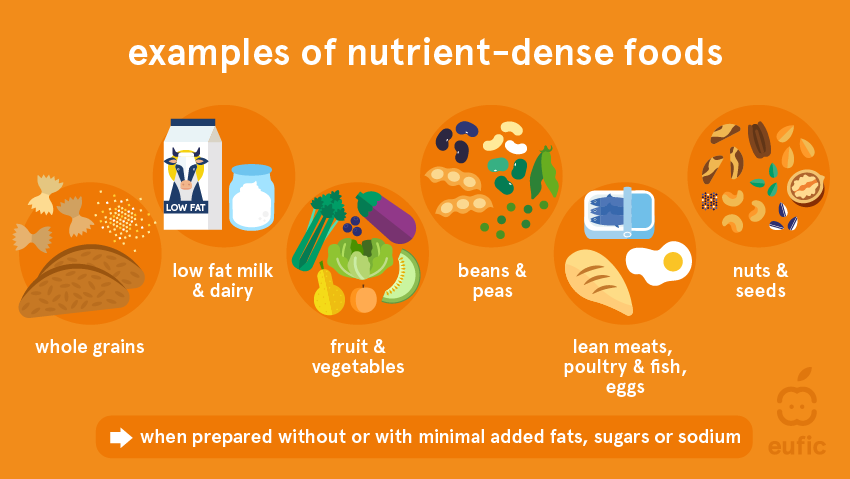
- Eat less: This suggests reducing your overall calorie intake. To lose body fat, you need to create a calorie deficit, meaning you consume fewer calories than your body needs to maintain its current weight. "A calorie deficit occurs when you consistently provide your body with fewer calories than it needs to support calorie expenditure (Gavin Van De Walle, 2019)." Therefore, it's important to focus on consuming nutrient-dense foods to support your overall health. "Nutrient-dense foods contain vitamins, minerals, complex carbohydrates, lean protein, and healthy fats. Examples of nutrient-dense foods include fruits and vegetables, whole grains, low-fat or fat-free milk products, seafood, lean meats, eggs, peas, beans, and nuts (National Cancer Institute, 2011).
- Move more: Increasing your physical activity levels can help burn calories and contribute to weight loss. "Using calories through physical activity, combined with reducing the calories you eat, creates a calorie deficit that results in weight loss(CDC, 2022)." Regular exercise, including cardiovascular activities like running, cycling, or swimming, can help you burn calories. Aim for at least 150 minutes of moderate-intensity aerobic activity or 75 minutes of vigorous-intensity activity per week, as recommended by health organizations.

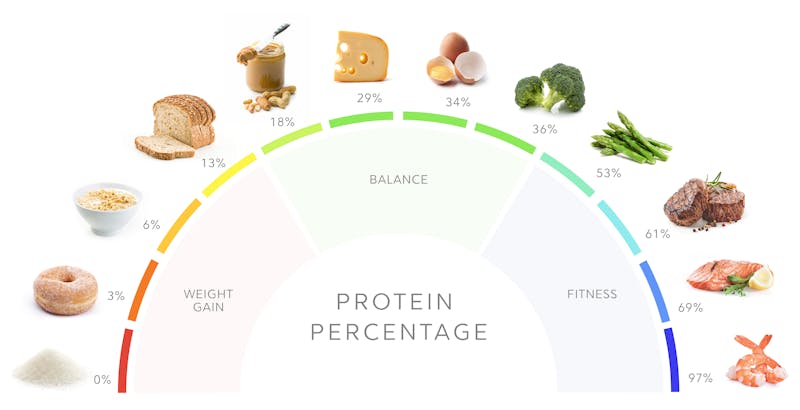
- Eat plenty of protein: Protein is essential for muscle growth and repair. Consuming adequate protein helps preserve muscle mass while you are in a calorie deficit and can enhance muscle protein synthesis. In a physiological condition that would otherwise be catabolic, eating more protein during normal moderate energy-deficient weight reduction diets (i.e., 500–750 kcal/d deficit) retains muscle mass (Carbone & Pasiakos, 2019). Good sources of protein include lean meats, poultry, fish, eggs, dairy products, legumes, nuts, and seeds. Aim to include protein in each of your meals.
Strength training: Incorporating strength training into your fitness routine is crucial for building muscle. "Strength training has numerous health benefits, especially for older adults. The benefits include improving your balance, burning fat, building muscle, preventing disease, and reducing pain (Lambrych, 2022)." Strength training exercises like weightlifting or bodyweight exercises help stimulate muscle growth by causing micro-tears in the muscle fibers. As your body repairs these tears, the muscles become stronger and more defined. "Muscle hypertrophy occurs when the fibers of the muscles sustain damage or injury. The body repairs damaged fibers by fusing them, which increases the mass and size of the muscles (Leonard, 2020)." It is recommended to perform strength training exercises at least two to three times per week, targeting different muscle groups each session.
While these guidelines provide a foundation for losing body fat and building muscle, it is important to personalize your approach based on your individual needs and goals. Consulting with a healthcare professional or a registered dietitian can help you develop a tailored plan that suits your specific circumstances.
Comments
Post a Comment